
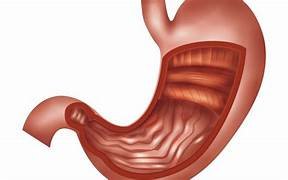
8 Warning Signs Your Gut Might Be Unhealthy
We often focus on eating for weight loss, muscle gain, or energy—but one of the most overlooked aspects of health is the gut. Your gastrointestinal (GI) system plays a major role in digesting food, regulating immunity, producing hormones, and even influencing your mood. When your gut is unhealthy, your entire body feels the impact.
But how do you know if your gut is trying to raise the alarm?
Here are 8 important signs that may indicate your gut is not functioning at its best.
1. Digestive Problems That Won’t Go Away
The most obvious signs of gut imbalance are digestive in nature. If you regularly experience gas, bloating, indigestion, constipation, or diarrhea, your gut may be struggling to break down food properly.
What it means: Your microbiome (the colony of bacteria in your gut) may be imbalanced, or your digestive enzymes may be low. Chronic symptoms could also suggest food intolerances or inflammation.
2. You’re Constantly Tired or Sluggish
Even with a decent night’s sleep, do you wake up feeling drained or rely heavily on caffeine? Your gut is responsible for absorbing key nutrients like iron, B12, and magnesium. When gut function is impaired, these nutrients don’t get absorbed properly, leading to fatigue and brain fog.
Key point: Tiredness without a clear cause often traces back to poor nutrient absorption and low-grade inflammation.
3. Frequent Infections or Low Immunity
Your gut is a central part of your immune system. In fact, over two-thirds of your immune tissue is located in your digestive tract. If you find yourself getting sick often or taking longer to recover, your immune system may not be getting the support it needs from your gut.
You may notice: Regular colds, frequent infections, or slow healing wounds.
4. Mood Swings, Anxiety, or Depression
The gut-brain connection is powerful. A healthy gut helps regulate neurotransmitters like serotonin and dopamine, which affect your emotional state. When the gut is inflamed or unbalanced, it can lead to mood instability, anxiety, or feelings of depression.
Fun fact: About 90% of serotonin is produced in your gut—not your brain
5. Unexplained Skin Issues
Eczema, acne, psoriasis, and rashes are often not just skin-deep. These can be signs of inflammation or dysbiosis (imbalance of gut bacteria). When the gut lining becomes permeable—a condition called leaky gut—toxins can enter the bloodstream and trigger inflammation throughout the body, including the skin.
Look for: Flare-ups after meals, persistent skin irritation, or breakouts despite skincare.
6. Sudden Food Sensitivities or Intolerances
You weren’t always sensitive to dairy or gluten, but suddenly you can’t tolerate them? That’s a sign something in your gut has changed. As the gut becomes inflamed, it may react more strongly to certain foods, especially those that are hard to digest or commonly inflammatory.
Symptoms include: Stomach pain, gas, fatigue, or headaches after eating certain foods.
7. Fluctuating Weight Without Trying
Weight gain or loss that seems unrelated to diet or exercise can also stem from your gut. Certain bacteria in your gut can influence how your body stores fat and manages hunger. Some strains promote fat storage, while others help burn energy more efficiently.
Red flag: If you’re gaining weight despite eating healthy or losing weight while feeling malnourished, your gut could be involved.
8. Sugar Cravings That Feel Out of Control
Craving sweets all the time? Harmful gut bacteria feed on sugar and can drive cravings to keep themselves alive. This creates a vicious cycle: the more sugar you eat, the worse the imbalance becomes—and the more you crave sugar.
Tip: Start adding fiber-rich foods to crowd out the bad bacteria and reduce cravings naturally.
What Can You Do About It?
If you identify with several of the signs above, it may be time to support your gut. The good news is, the gut responds well to the right care. Here are some simple steps to get started:
Gut health isn’t just a trend — it’s a foundation. Take the week. Your body will thank you for it.
- Add fiber to your diet: Fruits, vegetables, beans, and whole grains feed beneficial gut bacteria.
- Reduce processed foods and sugar: These contribute to inflammation and gut imbalance.
- Try fermented foods: Foods like sauerkraut, miso, yogurt, and kombucha introduce good bacteria.
- Stay hydrated: Water helps maintain the lining of your intestines.
- Get enough sleep: Sleep is essential for gut healing and bacterial regulation.
- Manage stress: Chronic stress weakens the gut lining and disrupts the microbiome.
When to Seek Help
If your symptoms persist or are significantly impacting your daily life, consult a healthcare provider or a registered dietitian. They may recommend further testing—such as microbiome analysis, food sensitivity testing, or endoscopic evaluations—to determine the root cause.
Final Thoughts
Your gut plays a central role in your health—even beyond digestion. If you’re constantly tired, dealing with mood swings, or facing unexplained skin or immune issues, it’s time to look inward—literally.
Pay attention to the signals. By making intentional choices and addressing your gut health early, you can create lasting changes that impact your energy, mood, and overall vitality.